Bookcases and Workspaces Worth Seeing in Person
When searching for “bookcases near me,” visiting a furniture showroom can make it easier to choose shelving, desks, and storage pieces that truly fit your room. Photos and measurements provide a useful starting point, but seeing furniture in person gives you a clearer understanding of its scale, construction, finish, storage capacity, and overall appearance.
Before selecting furniture for a home office, bedroom, family room, or reading area, we recommend considering:
• The width, height, and depth available in the room
• The size and weight of the items the furniture will hold
• The amount of open shelving, concealed storage, or workspace needed
• The materials and finishes that complement the surrounding décor
• Doorways, hallways, outlets, windows, and other placement limitations
Comparing these details in a showroom can help you avoid choosing a piece that feels too large, too small, or poorly suited to its intended use. It also allows you to see how bookcases, desks, filing cabinets, and coordinating storage pieces might work together before bringing them home.
Why Bookcases and Workspaces Are Worth Seeing in Person
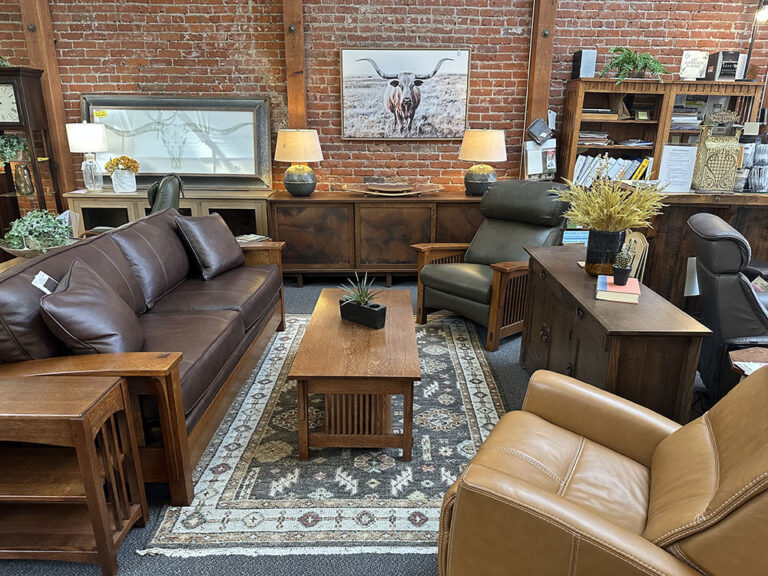
At Old Town Furniture & Furniture Depot, we know that when you have been looking for “bookcases near me,” online photos may introduce you to different styles, but they cannot fully show how a piece will look or function in your home. Bookcases and workspace furniture occupy a noticeable amount of visual and physical space, making proportion, material, and construction especially important.
A desk can shape how comfortable and organized a workday feels. A bookcase may become a focal point in an office, bedroom, family room, or reading corner. Seeing these pieces from multiple angles and comparing them in person can make it easier to choose furniture that supports the room rather than simply filling an empty area.
Measurements Matter More Than a Product Photo Suggests
Furniture dimensions can look straightforward on paper, yet the same measurements may feel very different once a piece is standing in a room. A tall bookcase can add useful vertical storage without taking up much floor space, but it may overwhelm a wall with low ceilings or limited natural light. A wide desk may provide a generous work surface while leaving too little room for a chair, cabinet, or comfortable walkway.
Before shopping, we recommend measuring:
- The full wall and floor area available
- Ceiling height and nearby window placement
- Doorways, hallways, and stairways along the delivery path
- The space needed to pull out and use a desk chair
- Baseboards, vents, switches, and electrical outlets
It is also important to consider more than whether the furniture technically fits. A well-proportioned piece should leave the room comfortable to navigate and visually balanced.
Materials and Construction Are Easier to Evaluate Up Close
Bookcases, desks, and storage pieces may be made from solid wood, mixed materials, metal, or combinations of different finishes. Each option offers a distinct appearance and can affect how substantial the furniture feels within a room.
Seeing furniture in person allows you to notice details that may be difficult to judge online, including:
- Wood grain and finish variation
- Shelf thickness and spacing
- Hardware and drawer movement
- Joinery and overall sturdiness
- The texture and appearance of mixed materials
Construction matters even more when shelving will hold heavy books, baskets, office equipment, collectibles, or frequently used supplies. A bookcase intended primarily for lightweight décor may not meet the same needs as one supporting a substantial book collection.
Looking closely at the shelves, frame, and overall build can help shoppers determine whether a piece is suited to its intended purpose.
Choose Storage That Matches the Room’s Real Purpose
Bookcases are no longer limited to personal libraries. They can organize nearly any room while adding height, texture, and character to the design.
In a home office, open shelves can keep books and supplies within reach, while cabinets or drawers conceal paperwork and less attractive necessities. In a family room, bookcases may display décor, organize games, or hold baskets for everyday belongings. Bedroom shelving can provide space for books, accessories, folded items, or personal collections.
Useful storage configurations may include:
- Open bookcases for accessible display space
- Shelving with doors for concealed or protected storage
- Corner units for rooms with limited wall space
- Desks with built-in or coordinating shelves
- Filing cabinets and office storage pieces
When comparing “bookcases near me,” consider what should remain visible, what needs to be stored out of sight, and how often each item will be used. Planning around daily routines helps ensure the furniture remains practical after the room is fully arranged.
Build a Workspace Around the Way It Will Be Used
A workspace should support the person using it rather than simply filling an available wall. Someone working with multiple monitors may need a larger surface than someone who primarily writes, manages household paperwork, or occasionally uses a laptop.
An L-shaped desk may suit a spacious office, while a writing desk or compact computer desk may work better in a bedroom or shared living area. It helps to consider the equipment and activities the workspace must accommodate, such as:
- Computers, monitors, printers, and charging stations
- Paperwork, files, books, or creative supplies
- Video meetings and appropriate camera placement
- Homework or shared family use
- Nearby storage for frequently used materials
The chair is another important part of the arrangement. Allowing enough space to sit, stand, turn, and move comfortably can make the workspace feel more functional and less crowded.
Coordinate Style, Finish, and Function
Bookcases and desks do not need to match every other item in the room exactly. They should, however, feel connected to the overall space. Wood tone, finish, hardware, shape, and visual weight can all influence how naturally a new piece blends with existing furniture.
Seeing multiple styles in person makes those comparisons easier. A warm wood bookcase may add character to a bedroom, while a streamlined mixed-material desk can create a lighter look in a compact office. Traditional, Rustic, Mission, and Transitional furniture can each give a workspace a distinct personality.
Looking at coordinating pieces together can also create a more intentional room. A desk, bookcase, filing cabinet, and storage unit may share similar finishes or design details without appearing overly matched.
Create a Room That Works as Well as It Looks
Furniture for offices, bedrooms, and family spaces should make daily life easier while contributing to a comfortable, welcoming home. Accurate measurements, dependable materials, useful storage, and thoughtful proportions all matter when selecting pieces that may be used for years.
If you have been searching for “bookcases near me,” visiting a local showroom gives you the opportunity to compare sizes, finishes, materials, and configurations before making your decision. At Old Town Furniture & Furniture Depot, we invite Santa Rosa shoppers to explore our selection of bookcases, desks, shelving, filing cabinets, and office storage in person and find furniture that fits both a specific space and way of life.